
CSaaS - the new model
Custom-SaaS in the new rage. Read about the new opportunities for you.

The Future of Software: From Rigid Systems to Living Products
The Shift is Happening
Software is shifting—fast.
As product managers, we must keep pace. The era of rigid, one-size-fits-all software is ending. Customers no longer accept being boxed into pre-defined workflows and half-fitting features. They expect tools that adapt to them—not the other way around.
. CustomiThis isn’t entirely newzation has always been on the table. But here’s what is new:
We can now deliver true, flexible, customer-specific software at a fraction of the cost it once demanded.
This isn’t just an upgrade. It’s a revolution.
From Hard-Coded Features to Prompt-Driven Software
Think about your typical ERP or CRM system. You might offer your customers custom columns, custom commands, maybe even custom functions. That used to be the gold standard for “flexibility.”
But what if I told you customers won’t settle for that anymore?
The next wave of enterprise software—tools like Windsurf, Lovable, Base44, and others—is moving towards something radical: prompt-driven customization.
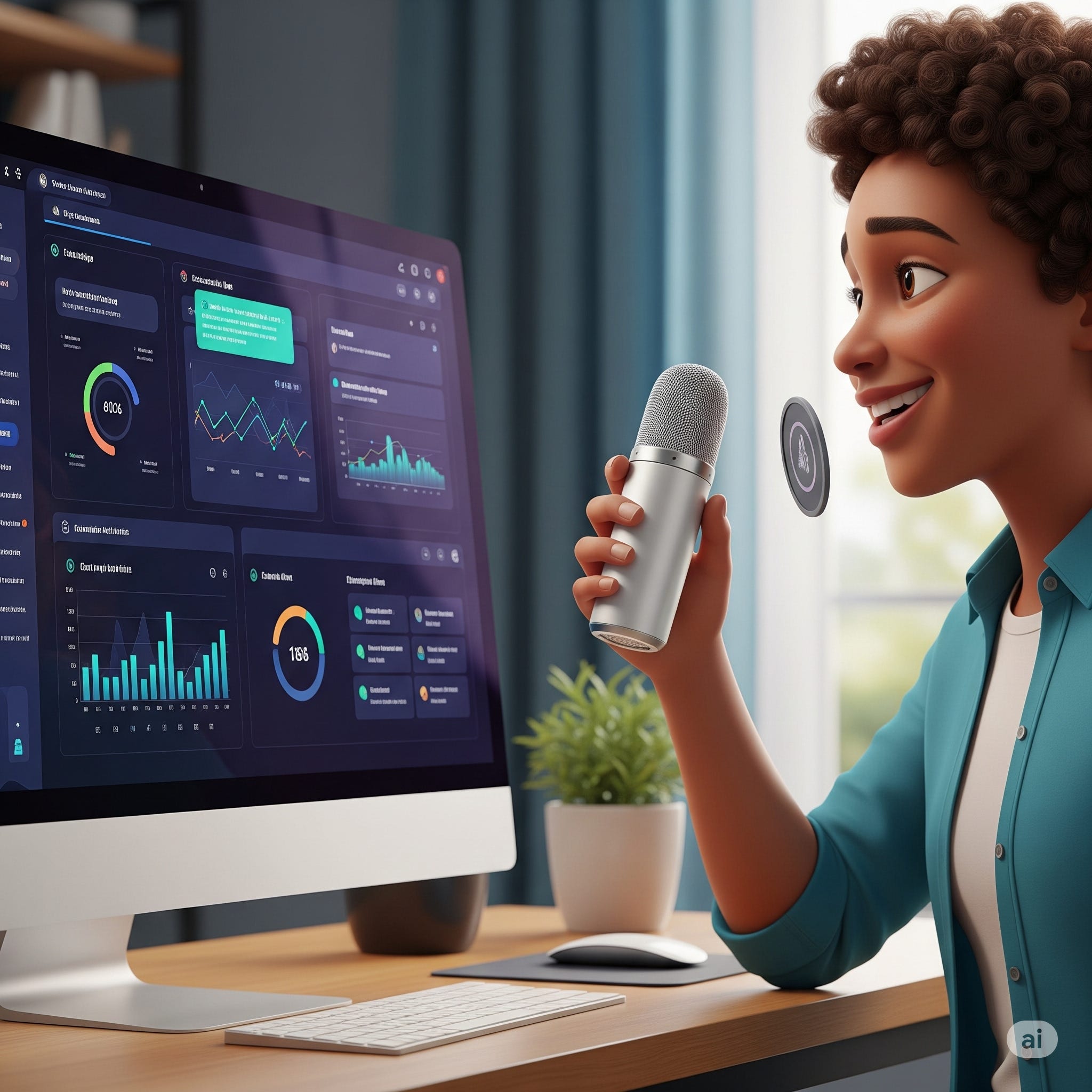
Instead of submitting a request, waiting for the roadmap, and hoping the feature gets prioritized, the customer will simply ask:
“Add a new column for supplier reliability.”
“Show me performance by region with a weighted score.”
“Build a workflow that triggers when inventory dips below threshold.”
And the software will do it. Instantly.
This is the future. Customers will literally reshape the tools they buy, in their own words, with AI-powered configurability.
Every software category is going to be disrupted by this prompt-driven approach.
The Challenges Ahead
Of course, this brave new world comes with tough questions:
Security – How do we ensure user-driven changes don’t expose data or create vulnerabilities?
Performance – What if a user builds a complex, resource-hungry workflow?
Governance – Who owns these changes, and how do they scale across an organization?
These aren’t trivial challenges. But history tells us that once customers taste this level of freedom, they won’t go back. Semi-rigid software will look as outdated as floppy disks.
The Product Manager’s New Role
So, where do we fit into this story as product managers?
Our role is shifting, too. Traditionally, we’ve prioritized customer requests, balancing them against risk, impact, confidence and effort (RISE method). But in this new world, a question must always sit in the back of our minds:
Can this feature be solved through language-based customization?
Could a dashboard builder solve the request more flexibly than hardcoding another chart type?
Could a natural language calculation replace the need for a niche formula request?
If the answer is “yes,” then our job isn’t to prioritize another feature—it’s to empower developers to create the framework that lets customers build it themselves. Even if it’s a nitche 0.1% solution - customers will expect it. And each customer will build his own 0.1% solution, and be happy about it. That’s your strategic advantage. Not a specific feature, but being able to address any request.
From 80% Solutions to 100% Fit
For decades, enterprise software has relied on the “80% solution.” Build something that covers most needs, then let customers hack the remaining 20% with Excel, add-ons, or workarounds.
But that won’t cut it anymore. In the age of prompt-driven software, customers expect 100% fit—precisely tailored to their needs, as they define them, when they define them.
This is both terrifying and thrilling.
Terrifying, because it breaks our old product playbooks.
Thrilling, because it opens up a horizon where product managers don’t just ship features—we build living products that evolve with every customer interaction.
Final Thought
As product managers, the question isn’t whether this shift is happening. It’s:
Are we ready to lead the transition from rigid software to living products?
Perhaps, as product managers we need to focus on creating these magical prompt automations. Help our developers enable our customers to fulfill any of their requests, even if we never heard it from them.